What is Climate Change

Snithika Vudutha
10th March, 2026
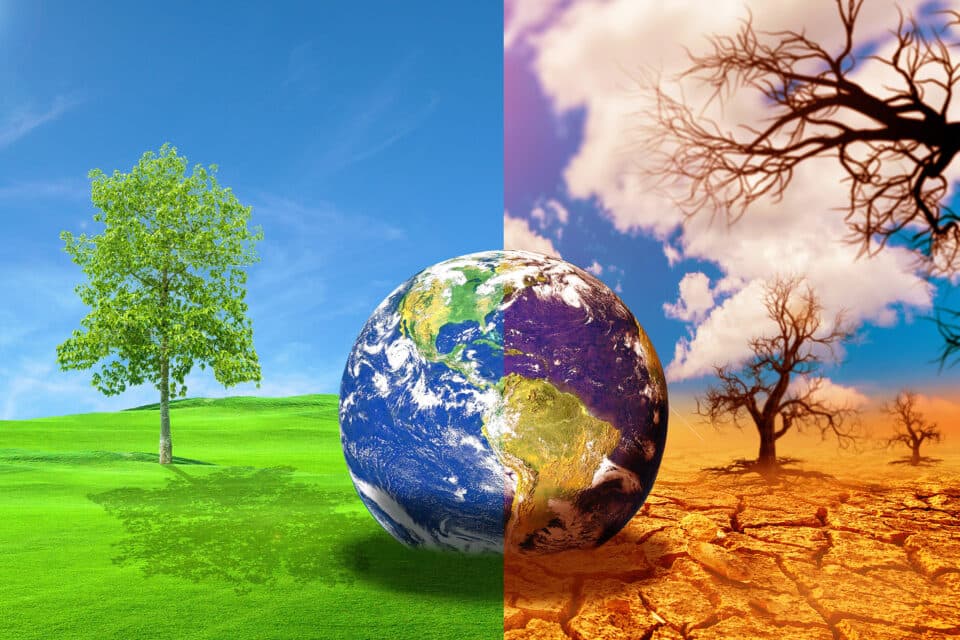
Climate change is the long-term change that occurs in Earth's average temperature and weather patterns. The Earth's climate has always transformed naturally over millions of years. However, scientists have found that the current changes are happening much faster than usual, mainly because of human activities.
The main reason why the planet is warming is that certain gases in the atmosphere trap the heat from the sun. This is known as the Greenhouse Effect.
How the Greenhouse Effect Works
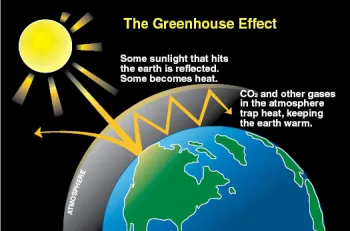
The Greenhouse Effect is actually a natural and necessary process. Here is the idea:
- The sun first sends energy to Earth as sunlight.
- Earth then absorbs some of that energy and warms up.
- But, some heat tries to escape back into space.
- So, certain gases trap part of that heat, which then keeps the planet warm.
Important examples of greenhouse gases include:
- Carbon Dioxide
- Methane
- Nitrous Oxide
Without this natural process, Earth would be too cold for humans to even live on. However, the problem is that human activities are increasing these gases too quickly, causing extra, unwanted warming.
What Causes Changes Today
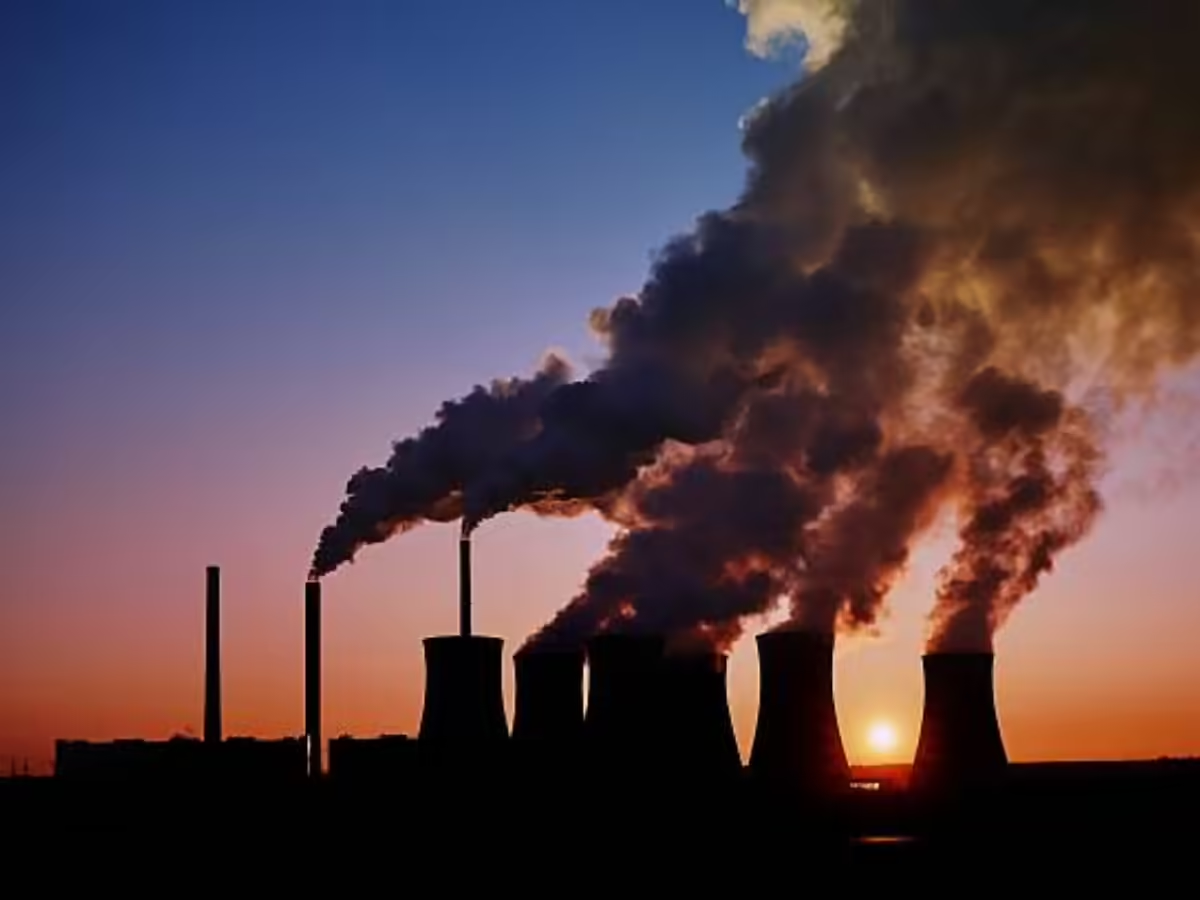
Major causes include:
- Burning Fossil Fuels: Energy from fossil fuels like coal, oil, and natural gas powers cars, factories, and electricity. Burning them releases large amounts of carbon dioxide.
- Deforestation: Cutting down forests removes trees that normally absorb carbon dioxide, which increases the amount of greenhouse gases in the atmosphere.
- Agriculture and Livestock: Farming activities, especially raising cattle, release large amounts of methane, another powerful greenhouse gas that harms the environment.
Effects of Climate Change
Rising Temperatures
Average global temperatures are increasing, leading to hotter summers and heat waves.
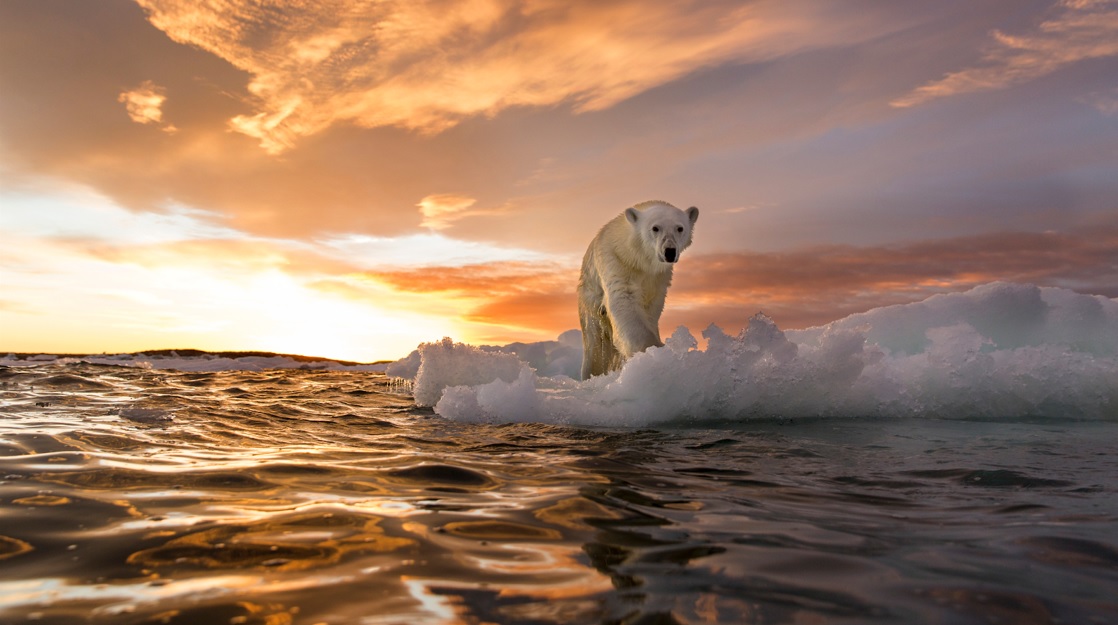
Melting Ice and Rising Seas
Ice sheets and glaciers are melting, which contributes to sea level rise.
More Extreme Weather
Scientists have observed stronger storms, longer droughts, and more intense wildfires.
Ecosystem Changes
Plants, animals, and ecosystems must adapt quickly or risk disappearing.
What People Are Doing About It
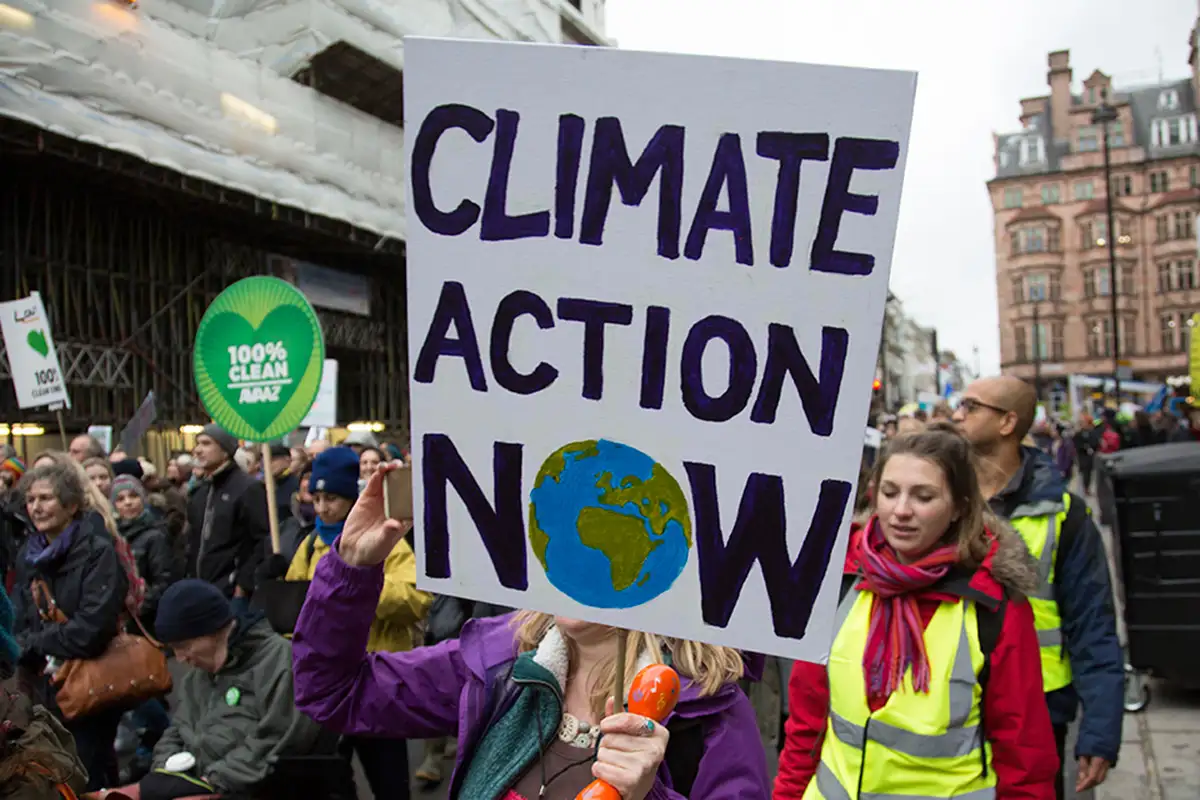
Some scientists, governments, and communities are trying to reduce climate change by lowering greenhouse gas emissions. Some solutions include:
- Using renewable energy such as solar and wind power
- Driving electric vehicles instead of gas-powered cars
- Protecting forests and planting more trees
- Improving energy efficiency in homes and buildings
Why It Matters
Climate change matters because it affects food production, water supplies, ecosystems, and human health. The choices people make today, like about energy, transportation, and land use, can influence how much the climate changes in the future. Scientists emphasize that understanding the problem is the first step toward solving it. By learning about climate change and supporting sustainable solutions, individuals and societies can help reduce its impact on the planet.
